Why Do Budget Gift Ideas Often Feel Impersonal? Making Thoughtful Presents on a Dime
We’ve all been there: standing in an aisle, faced with a shoestring budget, and staring at dozens of items that look… fine. They are gifts, technically speaking, but when you wrap them up and hand them over, the recipient’s expression isn't one of surprise delight—it’s often just mild gratitude. It feels like an obligation fulfilled rather than a connection celebrated. This feeling shouldn't be confusing; it’s rooted in the psychology of giving. When we struggle to find something meaningful without spending a fortune, we run into a common emotional hurdle: the perceived gap between effort and expenditure.
The problem isn't necessarily your wallet; it’s often about the narrative you are telling with the gift. People tend to equate value with cost, which is a flawed metric that causes us to ask ourselves, "Why do budget gift ideas often feel impersonal?" The short answer is that when the material item doesn't carry the weight of shared memory or deep consideration, the recipient feels the lack of connection more acutely than they notice the price tag.
Understanding the Psychology Behind Gifting Disconnect
Before we start shopping for better gifts, we need to understand why gifting sometimes fails. The emotional impact of a gift is rarely about the object itself; it’s about the story attached to it. If that story feels generic—like something bought off an assembly line and cross-marketed—the feeling of impersonality can quickly creep in.
Think of giving as pouring emotion into a vessel. If the vessel (the physical item) is empty of unique meaning, what are you left with? A simple transaction. We need to reframe our thinking: the goal isn't merely to provide an object; it’s to communicate, "I see you."
The Myth of Monetary Value
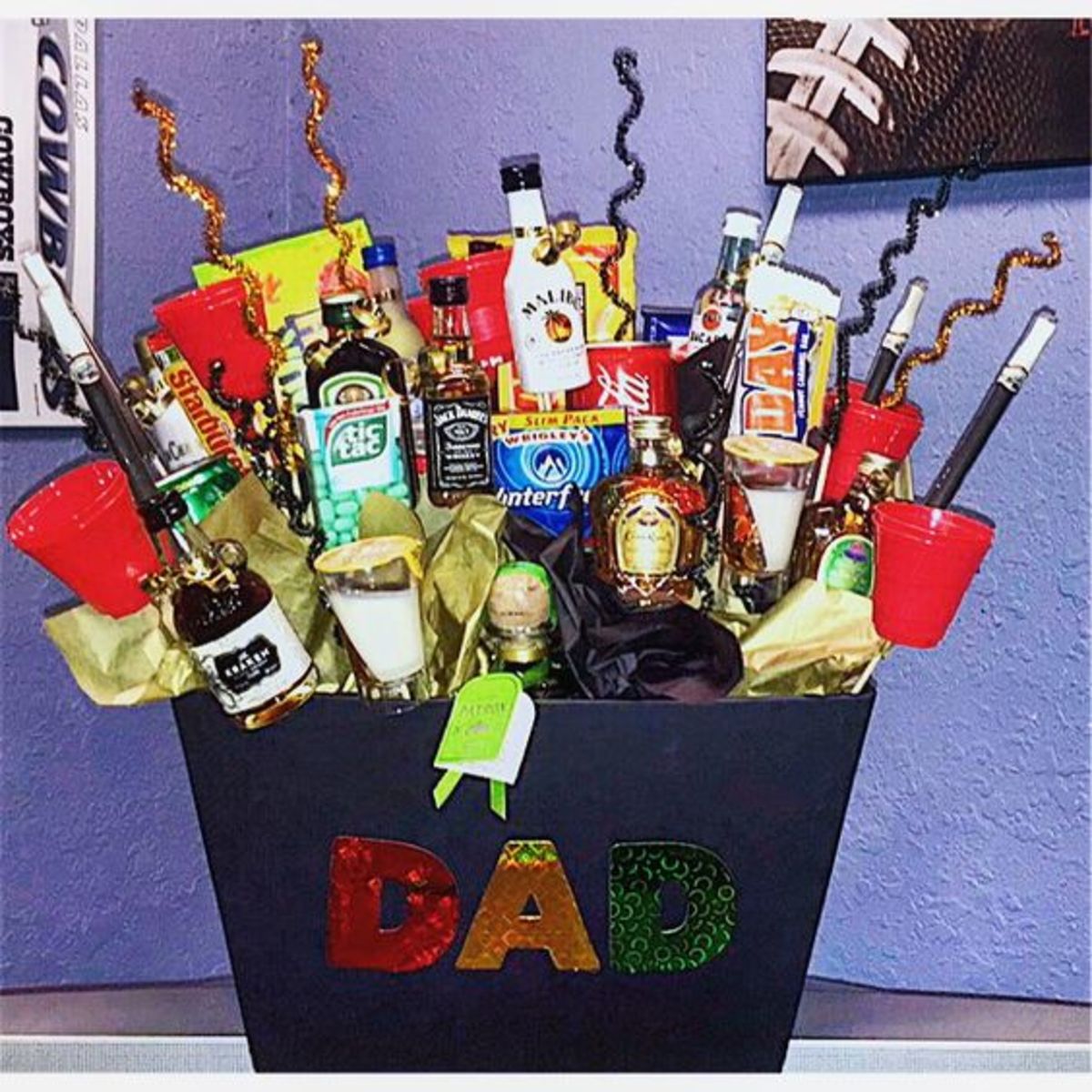
Many people fall into the trap of believing that a Click for more info more expensive gift equals a more thoughtful one. This is a myth we must debunk. True thoughtfulness doesn’t have a price tag. For instance, I once bought my friend an elaborate, expensive cocktail kit for her birthday. She opened it, looked at me, and smiled politely—but nothing clicked. A week later, she mentioned that the time I spent helping her build a complicated shelf unit was a gift she valued far more than any bottle of liquor. Effort trumps expense every single time.
Shifting Focus: From Material Goods to Shared Experiences
If money is limited, we must pivot our focus from tangibles (things) to intangibles (moments). This shift is the most powerful tool in your gifting arsenal. When you buy an experience—a class ticket, a picnic basket for a specific location, or even just time together—you are giving something that cannot be mass-produced.
Instead of buying an activity, try to curate the perfect moment tailored exactly to their interests. A simple afternoon tea setup in your own living room can evoke the feeling of an expensive getaway if you treat it with care and attention to detail. What makes a gift feel deeply personal? It’s when the recipient thinks, "They know me."
The Art of Hyper-Personalization on a Dime
Since budget limitations are often unavoidable, our solution lies in making what we do buy feel uniquely curated. This requires becoming an amateur detective about the person you are gifting.
Consider these actionable Melbourne strategies to elevate any gift:
- The Memory Map: Instead of buying a generic photo album, print out several photos and physically attach them with ticket stubs or written memories next to them, creating a miniature timeline of your shared history.
- Hyper-Specific Consumables: If they love coffee, don't just buy beans; find a rare, single-origin roast from the region they plan to visit next. The specificity makes it feel like you’ve been listening all along.
- The "Inside Joke" Gift: Find an object or item that is directly related to a running gag, a shared moment of embarrassment, or an inside joke. This immediately signals, "This gift was made specifically for us."
Why do budget gift ideas often feel impersonal? Because we forget this crucial step: the narrative. The physical gift is just the prop; the memory attached by us is the star. As Maya Angelou wisely noted, "People will forget what you said, people will forget what you did, but they will never forget how you made them feel." This quote perfectly encapsulates the emotional weight of thoughtful giving.
Crafting a Lasting Connection Beyond the Price Tag
Ultimately, gifting is less about economics and more about empathy. It’s an act of communication that says, "I dedicate time to considering your unique existence." The most crucial takeaway is that genuine connection cannot be purchased; it must be observed, remembered, and then translated into an action—even a small one.
So, as you move forward with gift-giving moments, remember this guiding principle: The goal is not to impress them with cost, but to delight them with recognition. Take the time right now to truly observe what makes your loved ones tick, what niche interests they have that others overlook, and where their passions genuinely lie. Start building those narratives before you ever open a gift site or step into a store.
If this shift in perspective helps you approach future gifts with more intention, share your favorite memory-based gifting ideas in the comments below!